


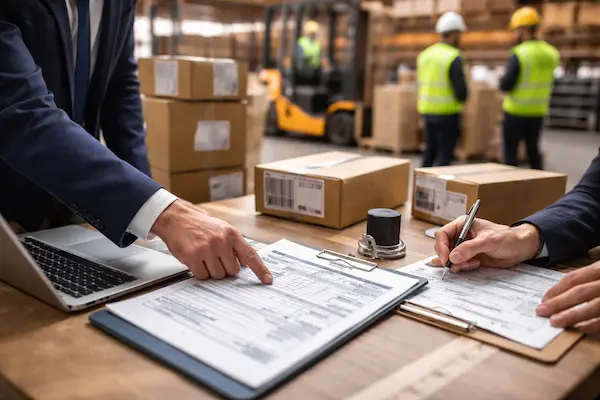
Elimination of Prior Import Authorizations
The new regulatory framework removes the requirement for prior administrative authorizations that previously had to be processed in order to import certain products.
End of Additional Administrative Procedures
Before the reform, some goods required prior authorization issued by the authority responsible for promoting foreign trade, which involved additional administrative processes before customs clearance.
Under the new regulations, several categories of products no longer require this prior procedure and may be imported directly under the general customs regime.
Among the goods that benefit from this simplification are:
- clothing
- footwear
- furniture
- household appliances
- various consumer goods
From now on, these imports will be subject only to the usual customs controls and applicable technical regulations.
Reduction of Administrative Barriers to Foreign Trade
The elimination of prior authorizations aims to resolve one of the main challenges companies face when entering new markets: administrative complexity.
Benefits for Importing Companies
The simplification of procedures can generate several advantages for companies engaged in international trade operations, such as:
- reduction in import processing times
- lower administrative burden for companies
- greater predictability in commercial operations
- reduction of logistics costs
For example, a company importing electronic products for commercial distribution no longer needs to wait for additional authorizations before starting the customs process, which accelerates the arrival of goods to the market.
These reforms respond to principles of modern administrative law aimed at ensuring efficiency in public administration, consistent with the guarantees of legal certainty recognized in the Political Constitution of the State.
Impact on Industrial and Investment Projects
The simplification of imports also has direct effects on productive projects that depend on inputs sourced from abroad.
Importation of Machinery and Industrial Inputs
Many industrial sectors require the importation of essential goods for their operations, such as:
- industrial machinery
- spare parts and technical components
- technological equipment
- productive inputs
When administrative processes are complex or prolonged, these projects may face delays in their implementation.
By eliminating unnecessary procedures, the new regime facilitates the establishment of industrial plants, logistics centers, and manufacturing operations that depend on international supply chains.
Improvement of the Commercial and Competitive Environment
Foreign trade reforms are part of a broader strategy aimed at improving the country’s economic competitiveness.
Integration with International Markets
The simplification of imports may contribute to:
- strengthening the supply of the domestic market
- facilitating industrial development
- stimulating private investment
- strengthening integration with international markets
Various international organizations, such as the World Trade Organization, have highlighted that reducing administrative barriers can significantly improve the efficiency of international trade and promote economic growth.
In summary, the elimination of prior import authorizations introduces a more agile process for the entry of goods, reducing administrative procedures and improving the predictability of commercial operations. These measures aim to facilitate the establishment of productive projects and strengthen foreign trade through more efficient procedures.
Our law firm provides legal advice on foreign trade and import operations. Contact us to receive specialized legal guidance.
Frequently Asked Questions (FAQs)
What does the elimination of prior import authorizations mean?
It means that certain products no longer require prior administrative authorization before beginning the import process.
Which products benefit from this simplification?
These include clothing, footwear, furniture, household appliances, and various consumer goods.
Are imports still regulated?
Yes. Goods remain subject to the general customs regime and applicable technical or sanitary regulations.
Does this measure benefit foreign investors?
Yes. Administrative simplification facilitates the import of goods, machinery, and inputs required for productive projects.
How does this reform impact industrial projects?
It reduces import processing times and facilitates access to machinery, technology, and inputs sourced from abroad.
The content of this article does not reflect the technical opinion of Rigoberto Paredes & Associates and should not be considered a substitute for legal advice. The information presented herein corresponds to the date of publication and may be outdated at the time of reading. Rigoberto Paredes & Associates assumes no responsibility for keeping the information in this article up to date, as legal regulations may change over time.