


How QR Fraud Works in Digital Sales
This type of scam combines real elements with a structured deception:
- An advertiser posts attractive products on digital platforms.
- The victim agrees to the purchase and coordinates delivery.
- A legitimate supplier delivers the product.
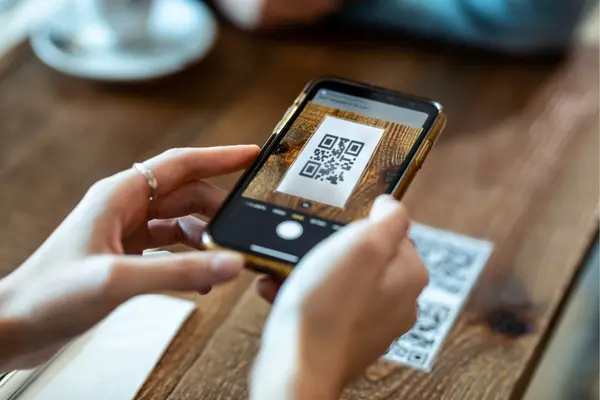
- The scammer sends a QR code for payment.
- The money is transferred to the scammer, not to the supplier.
The result is twofold: the buyer loses the money, and the person who delivered the product does not receive payment.
Legal Characterization of Digital Fraud
Under Bolivian law, this conduct falls within the criminal offense of fraud, understood as the use of deception to obtain an unlawful economic benefit. The Political Constitution of the State protects individuals’ property rights and guarantees access to justice against this type of conduct.
Depending on how the fraud is carried out, other legal issues may also arise:
Use of Electronic Means
When digital tools are used to mislead the victim and complete the unlawful act.
Identity Impersonation
If the offender pretends to be another person or company.
Participation of Multiple Individuals
When there is coordination among several people, which may aggravate liability.
Immediate Steps After a QR Scam
Acting quickly is essential to try to recover the money.
Contacting the Financial Institution
You should contact your bank immediately to:
- Request the blocking or reversal of the transaction.
- Ask for tracing of the QR code recipient.
- Formally report the fraud.
If the money has not yet been withdrawn, there may still be a chance to freeze the funds.
Collection of Digital Evidence
It is essential to preserve all evidence:
- Screenshots of conversations.
- Information from the scammer’s profile.
- Proof of payment.
- Information about the delivery location.
- Testimony from the real supplier.
This documentation will be crucial for the investigation.
Filing a Complaint with the Authorities
A complaint should be filed with the Bolivian Police, particularly with units investigating economic crimes.
The complaint allows the intervention of the Public Prosecutor’s Office, which may request:
- Identification of the bank account holder.
- Information regarding the QR code used.
- Digital records and geolocation data.
Chances of Recovering the Money After a QR Scam
The viability of recovery depends on how quickly action is taken:
- Favorable scenario: the money remains in the destination account.
- Intermediate scenario: the funds were transferred between accounts.
- Complex scenario: the money was withdrawn in cash.
In the first two cases, financial tracing may make it possible to recover all or part of the amount.
What Legal Actions Apply After Digital Fraud
In addition to criminal proceedings, it may also be possible to file a civil action to seek financial compensation for the damage suffered.
In certain cases, the liability of third parties may also be examined, such as intermediaries or entities that failed to act with the expected level of diligence in the transaction.
Liability of Digital Platforms in QR Fraud Cases
Companies such as Meta Platforms maintain anti-fraud policies; however, they do not directly intervene in transactions carried out outside their own systems.
This means that, although they may cooperate by providing information, primary responsibility remains with the perpetrator of the fraud.
Why This Type of Fraud Is So Effective
This mechanism is difficult to detect because:
- The product does exist.
- The delivery is real.
- Digital payment creates immediate trust.
The combination of these factors reduces the victim’s suspicion until the damage has already been done.
In summary, QR scams in digital environments require an immediate and coordinated response between the financial system and criminal authorities. Preserving evidence and activating legal mechanisms early are decisive steps to increase the chances of recovering the money and holding the responsible party accountable.
The law firm has experience in digital fraud cases and can provide specialized legal assistance in both criminal and civil matters. Contact us to assess your case.
Frequently Asked Questions (FAQs)
Can the bank always return the money?
No. It depends on whether the funds are still in the destination account and on how much time has passed.
Is filing a complaint necessary to recover the money?
Yes. A formal complaint activates investigative mechanisms that may allow the tracing of the funds.
What happens if the scammer used a false account?
Authorities may trace financial movements and data associated with the account.
Can the supplier also file a complaint?
Yes. As another victim of the deception, the supplier has standing to initiate legal action.
Can I file a claim against the platform where I saw the ad?
Generally, there is no direct liability, but the platform may provide useful information for the investigation.
The content of this article does not reflect the technical opinion of Rigoberto Paredes & Associates and should not be considered a substitute for legal advice. The information presented herein corresponds to the date of publication and may be outdated at the time of reading. Rigoberto Paredes & Associates assumes no responsibility for keeping the information in this article up to date, as legal regulations may change over time.